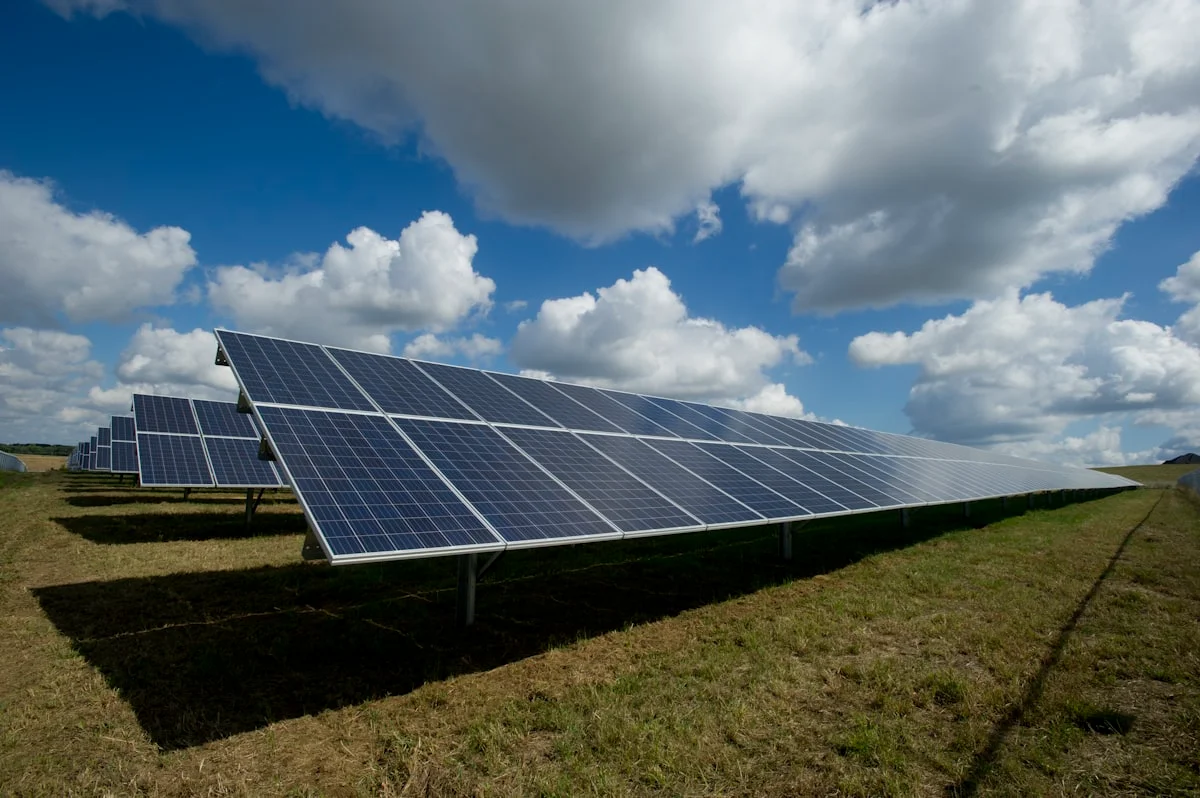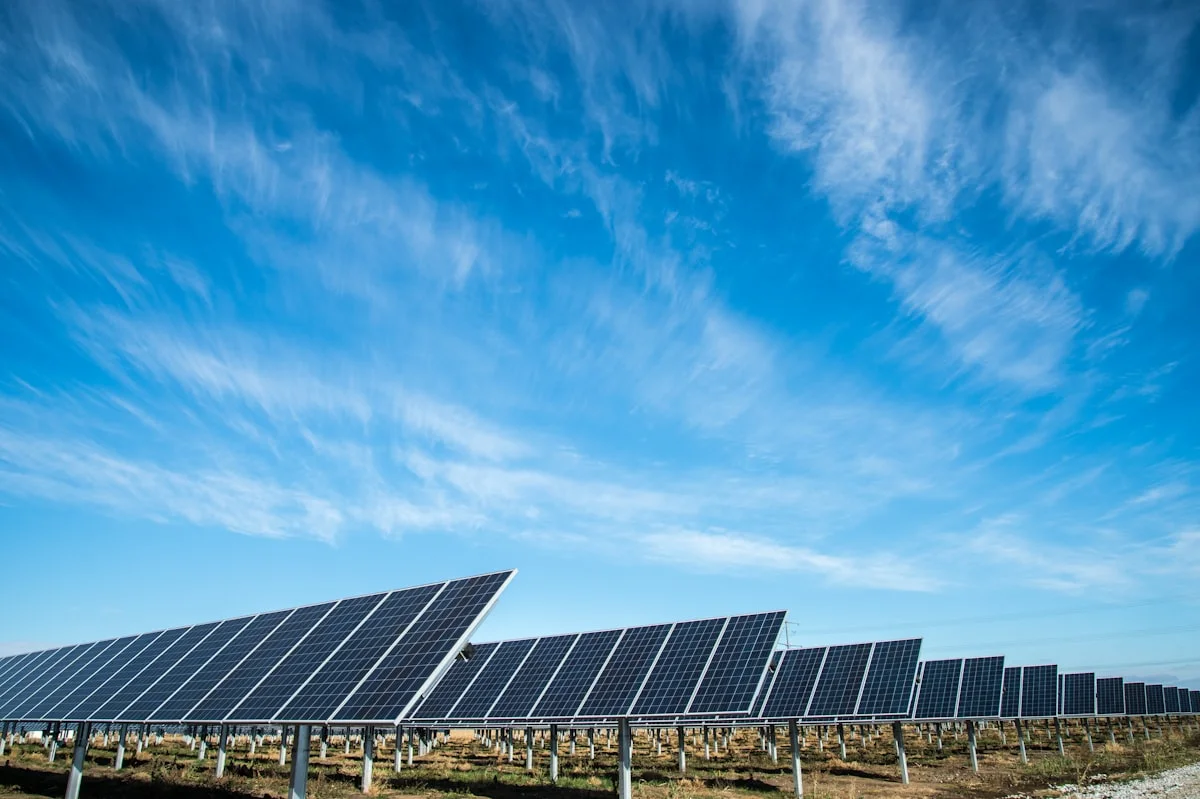

Australia has one of the highest per-capita rates of rooftop solar installation of any country in the world. Over 3.5 million Australian homes now have solar panels, representing more than one in three households a penetration rate that leads the developed world and continues to grow every year. But the story of solar in Australia is far from complete.
Technological advances in panel efficiency, battery storage, smart energy management, and grid integration are set to make solar even more powerful and financially compelling over the next decade. This guide looks at where Australian solar technology and policy are heading and what it means for homeowners making decisions about solar today.
The Numbers Behind Australia’s Solar Leadership
Australia’s National Electricity Market regularly sees periods where solar generation meets 50% or more of total grid demand during daytime hours in summer. In South Australia, solar combined with wind has driven wholesale electricity prices to zero or below on hundreds of occasions, fundamentally changing the economics of the energy market.
This extraordinary penetration of distributed solar generation is reshaping how the grid operates and creating new opportunities for solar owners through dynamic pricing, virtual power plants, and demand response programs.
At Invincible Energy Australia’s trusted solar support partner we design future-ready systems that position every customer to benefit from today’s incentives and the emerging opportunities that Australia’s ongoing clean energy transition continues to create.
Technology Trends That Will Shape Australian Solar Over the Next Decade
Several technological developments currently in commercial deployment or late-stage development are set to significantly improve the performance and value proposition of rooftop solar for Australian homeowners.
Panel Efficiency Continues to Improve
Silicon solar cell efficiency continues to improve, driven by advances in n-type cell technology including TOPCon and HJT architectures. Commercial residential panels achieving 23% to 25% efficiency are expected to become standard within five years, compared with the 18% to 20% typical of mainstream panels a decade ago.
Higher efficiency panels generate more electricity from the same roof area, making solar viable for properties that struggle with limited north-facing roof space under current technology.
Invincible Energy stays at the forefront of emerging solar technology and policy developments, ensuring every customer receives recommendations based on the latest available equipment and market intelligence.
Invincible Energy stays at the forefront of solar technology and policy developments, ensuring every customer receives recommendations based on the latest available equipment, incentive programs, and market intelligence.
Perovskite Solar Cells The Technology to Watch
Perovskite solar cells have demonstrated laboratory efficiencies exceeding 33% far beyond the practical limit of silicon cells alone. Tandem cells combining perovskite with silicon layers are approaching commercial availability, with several manufacturers targeting commercial release in the next three to five years.
If perovskite-silicon tandem cells deliver on their laboratory promise at commercial scale, they could enable residential panels generating 30% or more efficiency, potentially halving the roof area needed for a given system output.
Battery Costs Are Falling Rapidly
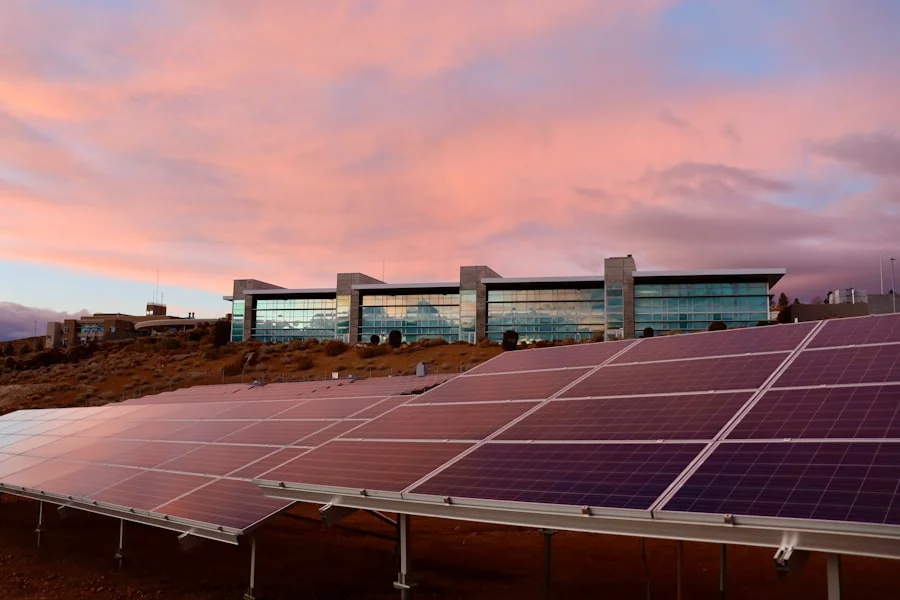
Global lithium battery production is scaling dramatically, driven primarily by electric vehicle manufacturing. This scaling is driving battery cell costs down rapidly industry analysts forecast home battery system costs to fall by 30% to 50% over the next five years compared with 2025 prices. Lower battery costs will bring storage within reach of a much larger proportion of Australian households, further increasing the value and self-sufficiency potential of rooftop solar systems.
Smart Grid Integration and the Value of Flexibility
As distributed solar penetration deepens, Australian electricity networks are developing more sophisticated mechanisms for managing and rewarding the flexibility that home batteries, smart appliances, and EV chargers can provide.
Virtual power plant programs are expanding, demand response schemes are multiplying, and two-way energy trading platforms are becoming more accessible. Homeowners who invest in solar and storage now will be well-positioned to participate in and profit from these emerging market mechanisms as they develop over the coming years.
For a future-ready solar system designed for both today and tomorrow, contact the team at Invincible Energy.
Vehicle-to-Grid Technology Coming to Australia
Vehicle-to-grid technology, which allows electric vehicles to discharge stored energy back into the home or grid, is commercially available for compatible vehicle models in Australia and is expected to grow significantly as more V2G-capable EVs enter the market.
An EV with a 60kWh to 100kWh battery represents a substantial energy storage asset that can supplement or even replace a dedicated home battery system for many households. The combination of a solar system, a V2G-capable EV, and a smart energy management platform creates a compelling whole-home energy ecosystem that dramatically reduces grid dependence.
What Today’s Solar Investment Means in Tomorrow’s Energy Market
Australians installing solar systems today are not just reducing their electricity bills in 2025 they are positioning themselves to benefit from the increasingly sophisticated and rewarding energy market that Australia’s ongoing clean energy transition is creating.
A quality solar installation from a reputable installer is a 25-year foundation that will continue to appreciate in value as the technologies and market structures built around it mature. Contact the team at Invincible Energy to discuss how to design a future-ready solar system that maximises your returns both today and as Australia’s energy landscape continues to evolve.