What Is Actually Happening on Your Roof
Australia is one of the sunniest countries on earth, yet most homeowners who invest in solar panels have only a rough idea of how they actually work. Knowing the technology behind your system helps you make smarter decisions about system size, inverter type, battery storage, and how to use electricity during the day to get the most out of your investment. This guide walks you through the full process in plain English, from the silicon cell on your roof right through to the electricity powering your kettle.
The Photovoltaic Effect — Where It All Starts
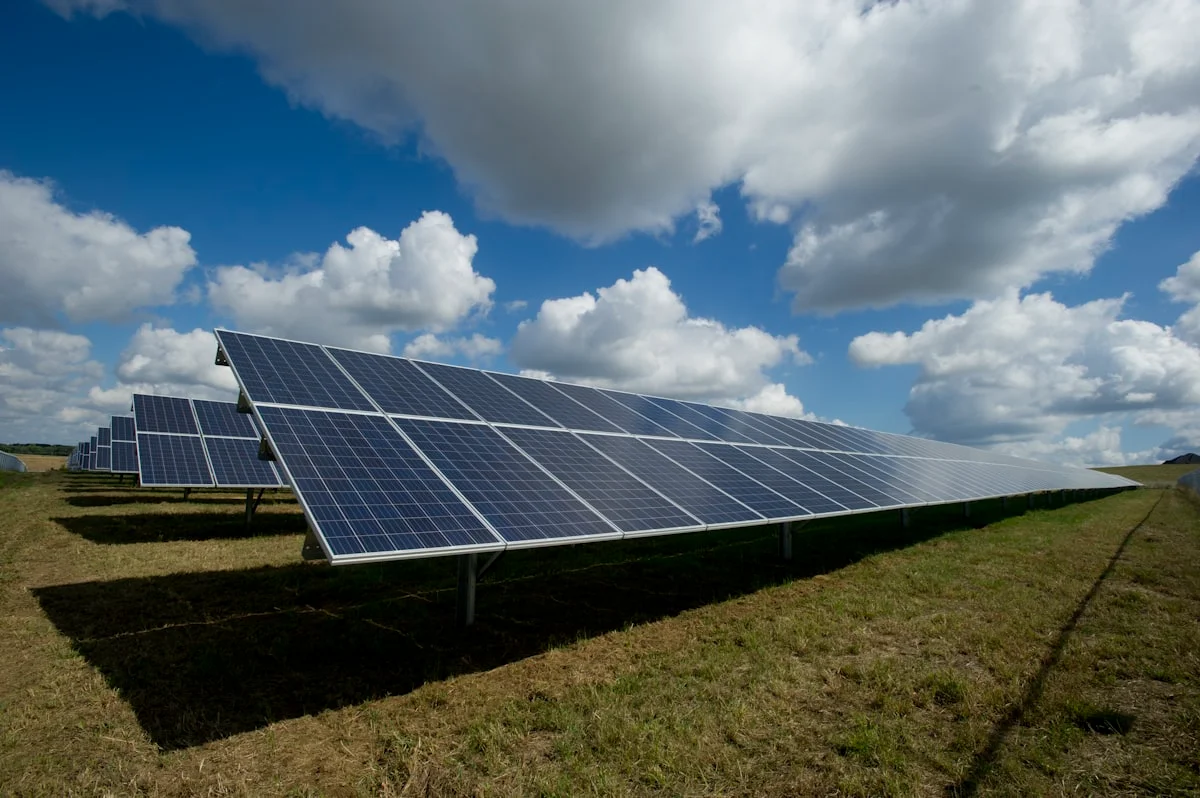
Every solar panel is made up of photovoltaic (PV) cells thin wafers of silicon, the same element found in ordinary sand. Silicon is a semiconductor, and when sunlight strikes it, photons knock electrons loose from their atomic bonds. The cell is built with two distinct silicon layers that create an internal electric field, which forces those freed electrons to flow in one direction.
That directional movement of electrons is direct current (DC) electricity. A single cell produces roughly 1 to 2 watts, so dozens are wired together to form a panel, and multiple panels wired in an array cover your roof.
Monocrystalline vs Polycrystalline What Is on Most Australian Roofs
Most panels installed across Australia today are monocrystalline each cell is cut from a single silicon crystal, delivering higher efficiency and better output in both heat and partial shade. Polycrystalline panels, made from multiple fused silicon fragments, have been largely superseded.
If you are comparing quotes today, you will almost certainly be looking at monocrystalline panels from quality brands. Premium monocrystalline panels convert between 20% and 23% of available sunlight into electricity under real-world conditions, and their performance has improved significantly over the past five years.
From Panels to Power The Inverter Does the Hard Work
Your panels generate DC electricity, but every appliance, light, and device in your home runs on AC (alternating current). The conversion happens inside your solar inverter, typically a box mounted near your switchboard on an exterior or interior wall.
The Three Main Inverter Types in Australia
Choosing the right inverter is just as important as choosing the right panels. Each type suits different roof configurations and energy goals.
String Inverters
String inverters connect all panels in a series and convert the combined DC output to AC in one unit. They are the most common and cost-effective choice for roofs with consistent, unobstructed sun exposure throughout the day. A shadow on a single panel can reduce output across the entire string, so they perform best on roofs free from shading by trees, chimneys, or neighbouring structures.
Microinverters
Microinverters attach to each individual panel and convert DC to AC at panel level. One shaded panel does not affect the others, making them ideal for roofs with multiple orientations or partial shading. They also provide detailed per-panel performance monitoring through a smartphone app, which makes diagnosing underperformance straightforward.
Hybrid Inverters
Hybrid inverters manage both your solar array and a battery storage system in a single unit. If you plan to add a battery now or in the future, a hybrid inverter simplifies installation and reduces overall system cost. Invincible Energy, one of Australia’s trusted solar support specialists, recommends the right inverter type for your specific roof layout, shading conditions, and energy goals.
Grid Connection and Net Metering
The vast majority of Australian solar homes remain connected to the electricity grid. Your system links to the grid through your switchboard and a bi-directional smart meter, which records both the energy you draw from the grid and the surplus energy you export back to it.
How Your Exported Solar Is Credited
During the day when your panels generate more power than your home needs, the surplus flows into the grid and your retailer credits your account at the solar feed-in tariff rate typically between 5 and 10 cents per kilowatt-hour in 2025. At night you draw from the grid at the standard retail rate of 30 to 45 cents per kilowatt-hour.
Every unit of solar electricity you use directly in your home is worth three to six times more than every unit you export, which is why maximising your daytime self-consumption is central to getting the most value from your system.
Simple Ways to Use More of Your Own Solar
Running high-consumption appliances dishwashers, washing machines, dryers, pool pumps, EV chargers during daylight hours replaces expensive grid electricity with free solar power. A smart home energy management system or hot water diverter can automate these shifts so you benefit without having to think about it. These simple adjustments can reduce payback periods by a year or more.
Adding Battery Storage
A solar battery stores surplus generation during the day for use after the sun goes down. Products like the Tesla Powerwall, Sungrow SBR, and Enphase IQ Battery are increasingly popular across Australian homes. A well-matched battery can cover most of your evening electricity needs, reducing your grid reliance to near zero on good solar days and providing peace of mind during grid outages. As the Invincible Energy team explains to every customer, a well-matched battery can transform an already strong solar investment into a near-complete energy independence solution.
How Much Will Your System Generate
A quality residential panel today produces between 380W and 420W. The most popular Australian system size 6.6kW consists of 16 to 18 panels and generates roughly 24 to 30kWh per day in a sunny location like Queensland or Western Australia. Output varies with your location, roof pitch and orientation, and any shading. A north-facing roof angled between 20 and 35 degrees consistently delivers the best year-round results across most Australian states.
Temperature and Shading Two Factors Worth Understanding
Solar panels lose efficiency as temperatures climb above 25°C, measured by the temperature coefficient. Premium panels with lower coefficients maintain better output through Australian summers. Shading is equally critical even a small shadow from a branch or chimney can significantly reduce output across a string. Half-cut cell technology and panel-level optimisers reduce shading losses and are worth discussing with your installer if your roof is not fully clear throughout the day.
Ready to Find Out What Solar Can Do for Your Home
Australia’s exceptional solar resource combined with high electricity prices and federal government rebates makes solar one of the smartest financial decisions an Australian homeowner can make right now. Most quality systems pay for themselves within three to six years and keep delivering savings for 25 years or more.
The solar specialists at Invincible Energy have helped thousands of Australian homeowners make the switch contact them for a free, no-obligation assessment covering expected generation, annual savings, and a personalised payback calculation for your specific roof.