
For the vast majority of Australian homeowners in urban and suburban areas, remaining grid-connected is the most economical approach to solar energy. But for properties in regional and remote locations where grid connection is expensive, unreliable, or physically impractical, a properly designed off-grid solar system is not just an attractive option it can be the only financially sensible one.
In some parts of rural Queensland, Western Australia, and the Northern Territory, the cost of extending the grid to a remote property can exceed $50,000, making a well-designed off-grid solar system not only cost-competitive but dramatically cheaper.
What Off-Grid Solar Actually Means
An off-grid solar system generates and stores all of the electricity a property needs without any connection to the public electricity network. The system must be sized to meet the property’s electricity demand through all seasons, including extended periods of low solar generation during winter and sustained cloudy weather.
This requirement for energy independence through all weather conditions makes off-grid system design considerably more complex than a standard grid-connected installation, and correct sizing is critical to reliable performance.
The Invincible Energy team Australia’s trusted solar support partner designs off-grid systems that are properly sized for year-round reliability, using quality components with strong local warranty and service support across regional and remote Australia.
The Key Components of an Off-Grid Solar System
An off-grid solar system is more complex than a standard grid-tied installation, incorporating several components that grid-connected systems either don’t need or need in simpler form.
Solar Array Sized for Your Worst Case, Not Your Average
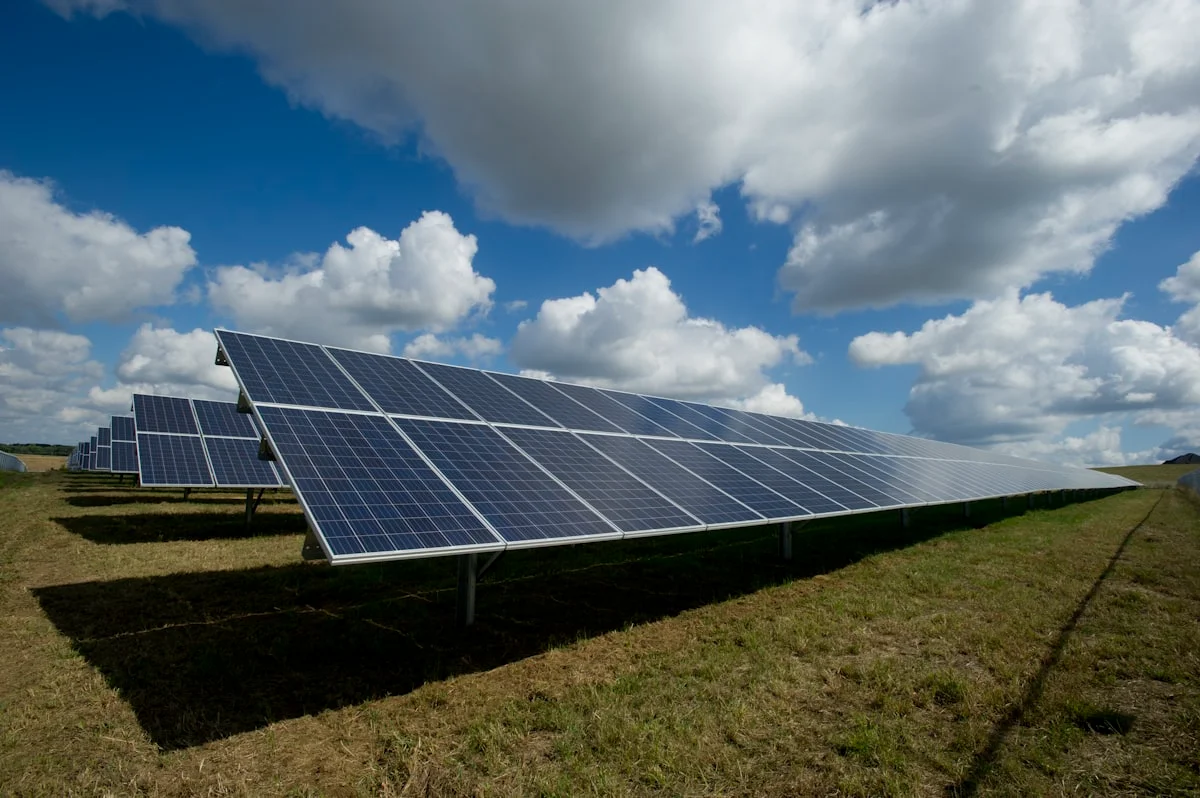
The solar array for an off-grid system must be sized to generate sufficient electricity even during the worst solar resource periods of the year typically mid-winter in southern Australia or the tropical wet season in northern Australia. This means the array will be oversized relative to average demand during peak summer periods, with the excess generation either stored or managed through system controls. Array sizes for residential off-grid systems commonly range from 5kW to 20kW or more depending on the property’s energy needs and location.
Battery Storage The Heart of an Off-Grid System
Battery storage is the critical element that makes off-grid living possible through nights and overcast periods. Off-grid battery banks are typically sized to provide two to five days of autonomy enough stored energy to meet the property’s needs through an extended period of poor solar generation without requiring a backup generator. Large lithium battery systems from BYD, Pylontech, or purpose-built off-grid battery products from Victron Energy or Selectronic are commonly used in Australian off-grid installations.
Invincible Energy has designed and installed off-grid systems across Australia’s most remote locations, from outback Queensland stations to isolated WA pastoral properties, with a proven track record of reliable long-term performance.
Off-Grid Inverter and Battery Charger
Off-grid systems require a bidirectional inverter-charger capable of managing solar input, battery charging and discharging, load management, and optional generator integration simultaneously. Products from Victron Energy, Selectronic, and SMA Sunny Island are widely used in Australian off-grid installations. These systems are significantly more sophisticated than standard grid-tied inverters and require specialist knowledge to design and commission correctly.
Backup Generator
Even the best-designed off-grid system incorporates a backup diesel or LPG generator for extended periods of very poor solar generation typically a few days per year. The generator charges the battery bank when solar generation alone cannot keep up with demand. Modern off-grid systems manage the generator automatically, starting it only when battery state of charge drops below a set threshold and shutting it off once the battery reaches an adequate charge level, minimising fuel consumption.
Is Off-Grid Solar Right for Your Property
The decision to go off-grid is ultimately a financial comparison between the cost of a quality off-grid system versus the cost of grid connection plus ongoing grid electricity bills. For properties within a few kilometres of an existing grid connection, remaining connected is almost always more economical.
For remote properties where grid connection would cost $30,000 or more, an off-grid system often delivers a better financial outcome over a 25-year horizon, with greater energy reliability and complete independence from rising grid electricity prices.
For a free off-grid feasibility assessment for your remote property, contact the specialists at Invincible Energy.
Running Costs and Maintenance
Off-grid systems have higher ongoing maintenance requirements than grid-connected systems due to their greater complexity. Battery systems require regular monitoring, generator servicing is essential, and the overall system benefits from an annual professional inspection. These costs should be factored into any financial comparison with grid connection alternatives.
Professional Off-Grid System Design Is Essential
Off-grid solar design requires detailed analysis of your property’s energy consumption patterns, load profile, location’s solar resource across all seasons, and available roof or ground-mount area. Undersizing an off-grid system creates a property that regularly runs out of power an unacceptable outcome for a primary residence. At Invincible Energy, our team designs off-grid systems that are properly sized for year-round reliability, using quality components with strong local warranty and service support across regional and remote Australia.