Why More Australian Homeowners Are Adding Batteries to Their Solar Systems
A few years ago, home battery storage was a niche product for early adopters and off-grid enthusiasts. Today it is a mainstream consideration for any Australian homeowner installing solar and increasingly for those who already have solar panels but want to get more from them.
As feed-in tariffs continue to fall and electricity retailers sharpen their peak-period pricing, keeping more of your solar energy at home rather than exporting it for a few cents is becoming financially compelling. This guide covers everything you need to know before adding battery storage to your Australian home.
The Simple Logic Behind Battery Storage
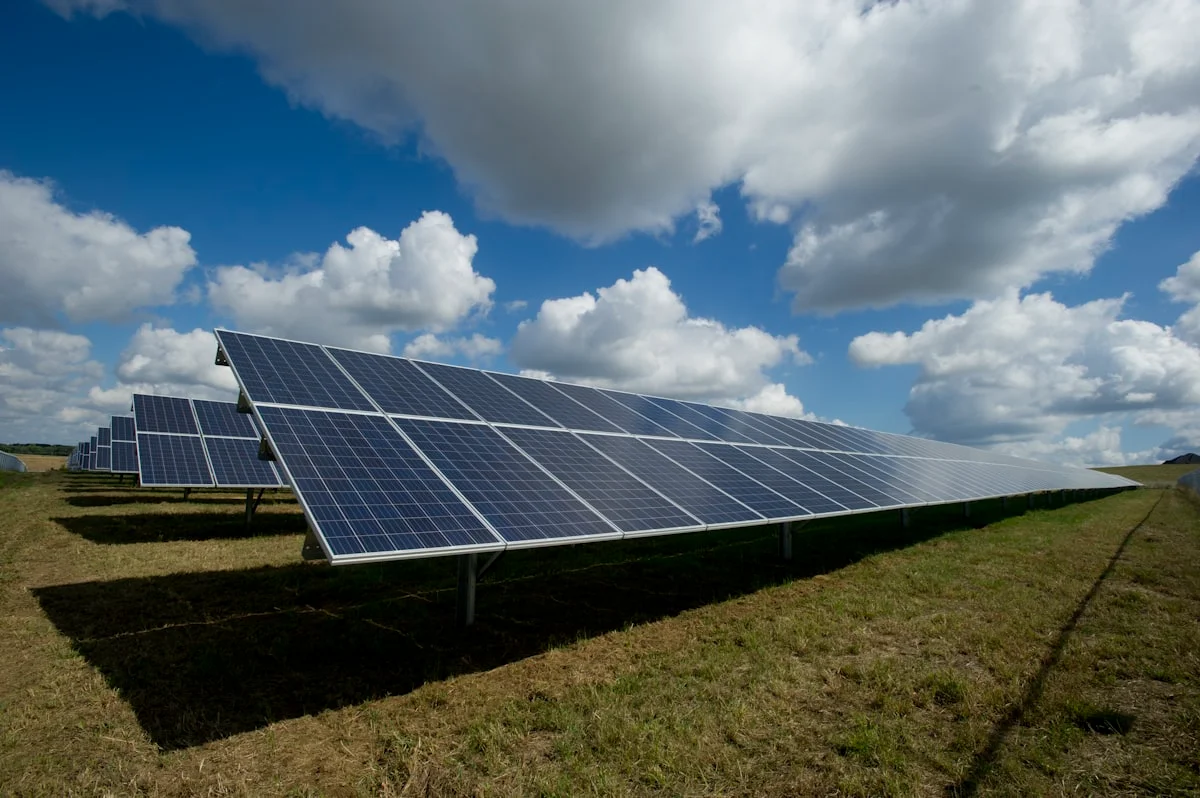
Your solar system generates most of its power between 9am and 3pm precisely when most households are at work or school consuming relatively little electricity. Without a battery, much of that generation is exported to the grid at the current feed-in tariff, typically 5 to 10 cents per kilowatt-hour.
In the evening when consumption peaks, you buy that electricity back from the grid at 30 to 45 cents. A battery captures the surplus daytime generation and makes it available for your peak evening use, closing that gap and dramatically improving the financial return of your solar investment.
How Home Battery Storage Works
A solar battery system connects between your solar inverter and your switchboard. During the day, once your solar array has met your home’s immediate electricity needs, surplus DC power charges the battery. In the evening, the battery discharges to power your home.
A battery management system monitors charge state, temperature, and cycle health continuously, protecting the cells and optimising lifespan.
Lithium Ion Technology Is Now the Clear Standard
Modern home batteries use lithium-ion chemistry, the same fundamental technology found in electric vehicles and smartphones. Within lithium-ion, lithium iron phosphate (LFP) chemistry has emerged as the preferred choice for home storage due to its superior thermal stability, longer cycle life, and safer operating characteristics compared with earlier NMC (nickel manganese cobalt) formulations. Most leading battery products available in Australia today use LFP chemistry and Invincible Energy only recommends products meeting this standard.
Top Battery Products Available in Australia
The following products represent the most popular and well-regarded battery options for Australian homeowners in 2025, based on real-world performance, warranty terms, and after-sales support quality.
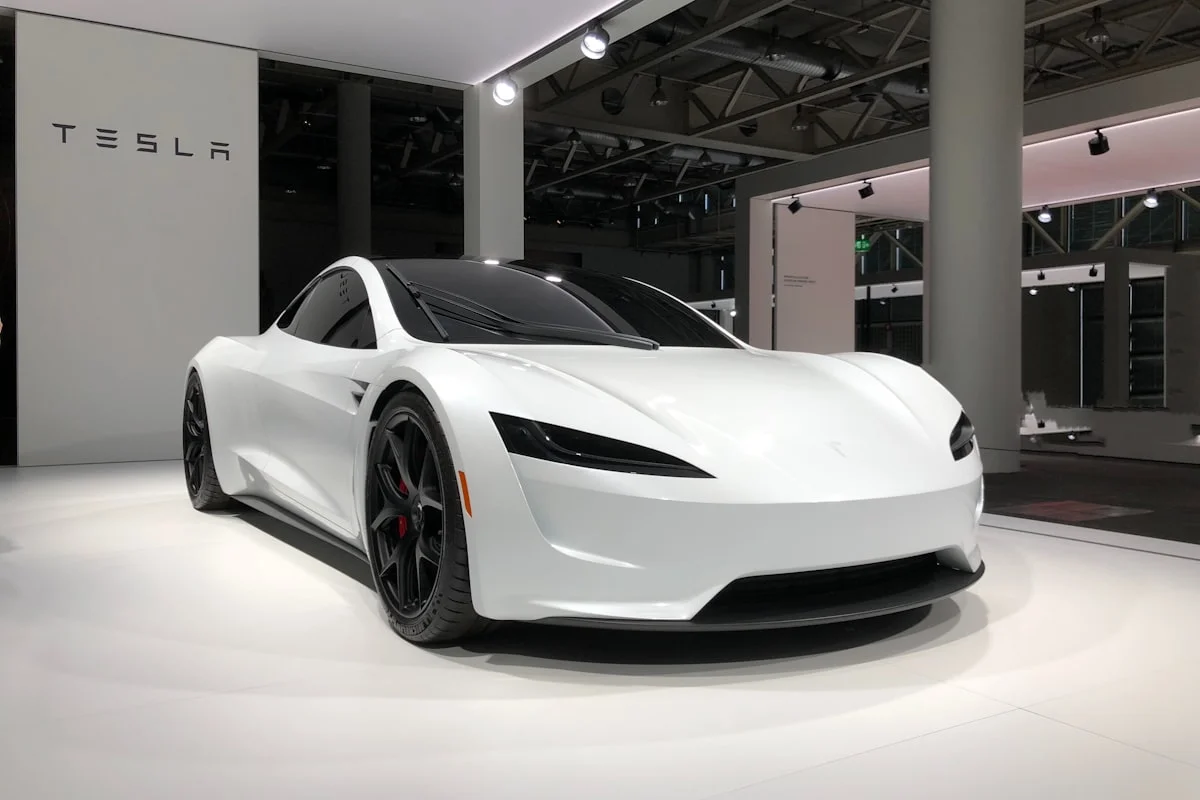
Tesla Powerwall 3
The Tesla Powerwall 3 integrates a full solar inverter with 13.5kWh of usable battery storage in a single wall-mounted unit. This all-in-one design simplifies installation for new solar customers and reduces overall system cost compared with buying a separate inverter and battery.
It includes built-in blackout protection that automatically switches your home to battery power during grid outages. Backed by a 10-year warranty with an energy throughput guarantee, the Powerwall 3 remains the benchmark against which other home batteries are measured.
Sungrow SBR Series
The Sungrow SBR is one of the most popular battery products in Australia due to its modular design and competitive pricing. Starting at 9.6kWh, additional modules can be added to expand capacity up to 25.6kWh as your needs grow an important feature for households who may add an EV or expand their solar system in future years. Sungrow’s strong Australian distributor network ensures local technical support, and the SBR carries a 10-year warranty.
Enphase IQ Battery 5P
The Enphase IQ Battery pairs with Enphase microinverter systems and is purpose-built for homeowners who want best-in-class safety and monitoring. It uses LFP chemistry, carries a 15-year warranty the longest available on the Australian market and provides granular real-time performance data through the Enphase app. Its modular design allows capacity to be added in 5kWh increments, and its AC-coupled architecture means it can be retrofitted to almost any existing solar system.
BYD Battery Box
BYD is the world’s largest manufacturer of LFP batteries, and its Battery Box HVM series is widely available across Australia through reputable installers. Available in capacities from 8.3kWh to 22.1kWh, the Battery Box is compatible with a wide range of inverter brands. BYD’s scale and manufacturing expertise translate into competitive pricing and robust quality control. The product carries a 10-year warranty and has developed a strong performance track record in the Australian market.
How Much Does a Solar Battery Cost in Australia
Battery pricing in Australia varies by brand, capacity, and installation complexity. As a guide, a Tesla Powerwall 3 including installation typically costs between $12,000 and $16,000. A Sungrow SBR 9.6kWh system usually falls in the $8,000 to $11,000 range fully installed. The Enphase IQ Battery 5P starts at around $6,000 to $8,000 installed for the base module. These prices continue to decrease as global manufacturing scales further.
State Battery Incentives Worth Checking
Several Australian states offer additional incentives for battery storage. Victoria’s Solar Homes program includes interest-free loans for eligible battery purchases. The ACT’s Sustainable Household Scheme offers zero-interest battery finance. South Australia has previously run direct battery rebate programs. The solar specialists at Invincible Energy Australia’s trusted solar support partner stay current with all active incentive programs and will factor them into your quote automatically.
Is a Battery Worth It for Your Home
The financial case for a battery depends on how much surplus solar you currently export, your current feed-in tariff, your evening consumption, and your electricity tariff. Households that export large amounts of solar at a low feed-in tariff and then buy back significant volumes in the evening typically achieve the strongest battery return.
For households already maximising daytime self-consumption through smart scheduling, the incremental benefit of a battery is smaller. A detailed assessment of your actual usage and generation data will give you a clear answer. Invincible Energy offers free battery suitability assessments tailored to your home contact the team tailored to your home.