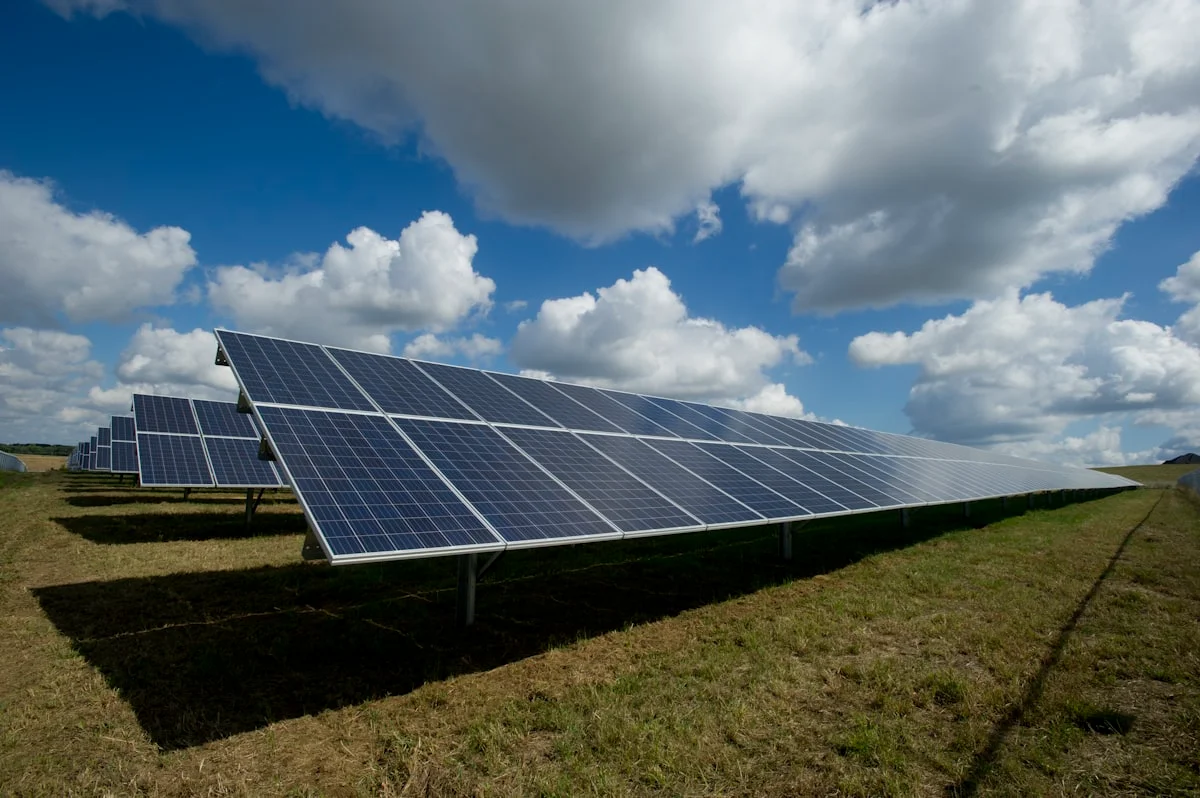
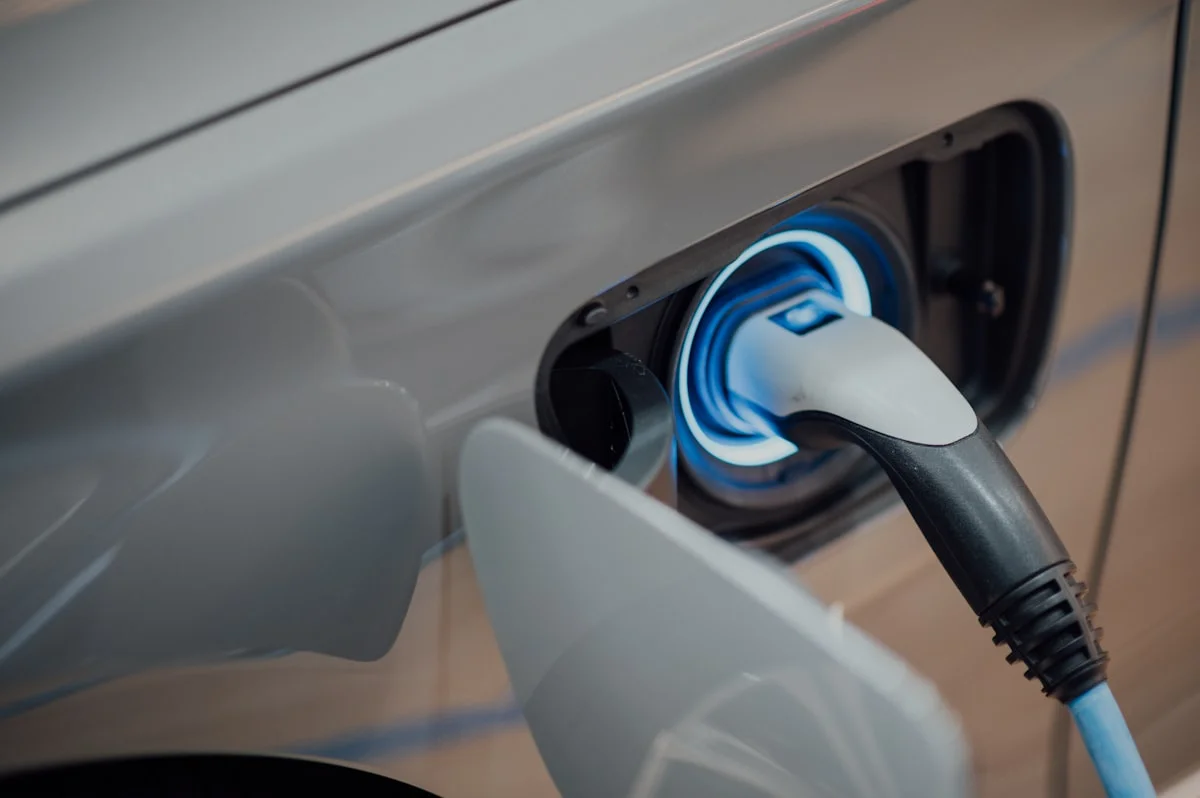
Electric vehicles and solar panels are two of the most talked-about home energy upgrades in Australia right now — and for good reason. Both deliver substantial financial savings and significant reductions in household carbon emissions. But the real story is how powerfully they work in combination.
A solar system that charges an electric vehicle essentially turns sunshine into kilometres of free driving, and the economics of that combination make both investments more compelling than either one alone.
With EV sales growing rapidly across Australia and solar penetration already among the highest in the world, understanding how to set up and manage a solar EV charging system is increasingly relevant for Australian households.
The True Cost of Charging an EV From the Grid
Charging an electric vehicle from standard grid electricity in Australia typically costs between $3 and $8 per 100 kilometres of range depending on your electricity tariff, charging speed, and the vehicle’s efficiency. At the higher end of Australian electricity rates around 40 cents per kilowatt-hour a 60kWh battery requiring a full charge costs around $24.
Over 15,000 kilometres of annual driving, that adds up to roughly $1,200 to $2,500 per year in home charging costs. Those costs drop to near zero when the charging power comes from your own rooftop solar system.
The Invincible Energy team Australia’s trusted solar support partner designs and installs systems across Queensland with deep knowledge of local grid requirements, cyclone standards, and climate-specific performance expectations.
How Solar and EV Charging Work Together
A solar EV charging setup is straightforward in concept. During the day, your solar system generates electricity that first meets your home’s immediate consumption needs. When surplus generation exceeds household demand, that surplus would normally be exported to the grid at a low feed-in tariff. Instead, a solar-aware EV charger detects the surplus and diverts it into your vehicle’s battery, charging your EV for free rather than sending cheap power to the grid.
Solar-Aware EV Chargers What to Look For
Standard EV chargers draw a fixed amount of power regardless of what your solar system is doing. Solar-aware chargers, sometimes called dynamic load management chargers, adjust their charging rate in real time based on available surplus solar generation.
When your solar system is producing 5kW above household needs, the charger draws 5kW. When a cloud reduces generation, the charger reduces accordingly. This dynamic matching maximises solar self-consumption for EV charging and minimises grid power draw. Leading solar-aware charger brands available in Australia include Zappi, myenergi, Fronius Wattpilot, and the Tesla Wall Connector, among others.

System Sizing When You Own an Electric Vehicle
Adding an EV to your household significantly increases your total electricity consumption and changes the case for system sizing. A household that previously justified a 6.6kW system may find that a 10kW or 13.3kW system is more appropriate once EV charging is accounted for.
The additional solar generation needed to cover typical EV charging requirements typically 10 to 20kWh per day depending on driving distance often justifies a larger system that also improves payback on the solar investment by reducing grid purchases further.
Invincible Energy recommends system sizes based on detailed analysis of your actual electricity bills and interval meter data, rather than rule-of-thumb sizing that can lead to under or oversized arrays.
Battery Storage and EVs The Full Self-Sufficiency Option
Adding a home battery to a solar and EV setup creates a system capable of near-complete energy self-sufficiency for many Australian households. Surplus solar charges the home battery during the day; in the evening, the home battery powers the household and overnight EV charging top-ups.
On clear days, a well-sized solar-battery-EV system may draw no grid electricity at all. The upfront investment is significant, but the combination of fuel savings, electricity bill reduction, and reduced grid dependence creates a compelling long-term financial and environmental case.
Virtual Power Plants and EV Battery Integration
Several Australian energy retailers and technology companies are developing programs that use EV batteries as grid assets, similar to home battery VPP programs. Vehicle-to-grid (V2G) technology where a bidirectional charger allows electricity to flow from the EV battery back into the home or grid is commercially available in Australia for compatible vehicle models and is expected to become more widespread as EV adoption grows. Participating households can potentially earn additional income by making their EV battery available to grid operators during peak demand periods.
Getting the Right Setup for Your Home
Designing a solar system for a household with an EV requires careful analysis of driving patterns, charging timing, roof capacity, and network connection limits. At Invincible Energy, we design solar systems specifically around each customer’s lifestyle including EV charging requirements ensuring the system size, inverter specification, and optional battery storage create the most cost-effective and energy-independent solution for your home and driving habits.
For a free assessment of your Queensland property’s solar potential and a detailed personalised quote, contact the team at Invincible Energy today.