Your Solar System Will Last 25 Years But Only If You Look After It
Solar panels are often marketed as maintenance-free, and compared with most home systems they genuinely are low-effort. But low-maintenance does not mean no maintenance. Over a 25-year operational life, a system that receives regular attention will consistently outperform a neglected one often by thousands of kilowatt-hours of cumulative generation.
Given that a quality Australian solar system represents an investment of $6,000 to $12,000, protecting it with a small amount of ongoing care makes clear financial sense. This guide covers what your system actually needs, how often, and the warning signs that something requires professional attention.
What Quality Solar Panels Are Built to Withstand
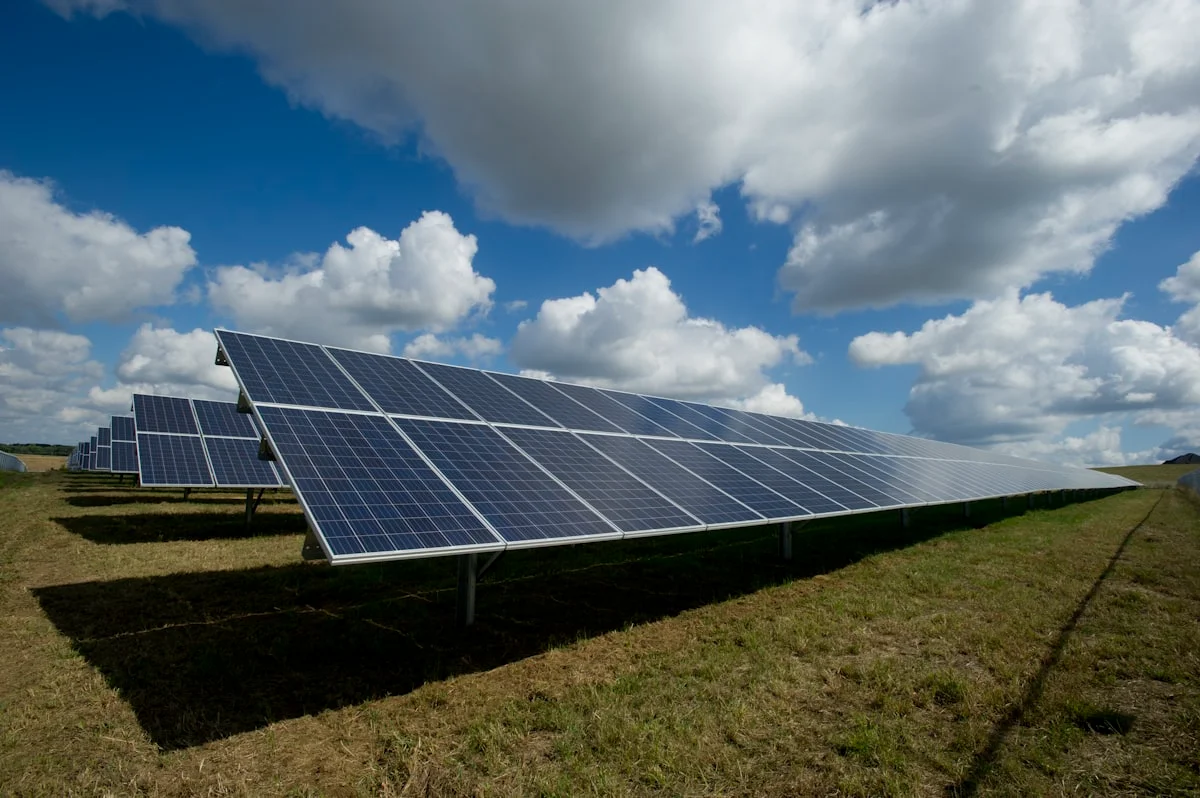
Premium solar panels are engineered for Australia’s demanding conditions. They are tested to withstand hailstones up to 35mm in diameter, cyclone-category wind loads, and temperature cycling from minus 40 to plus 85 degrees Celsius.
The toughened glass surface is designed to shed light dust and dirt in normal rainfall. However, Australia also presents specific accumulation challenges heavy pollen seasons, persistent bird activity, bushfire ash deposits, and extended dry spells in inland areas that can reduce output faster than rainfall alone can manage.
The service team at Invincible Energy Australia’s trusted solar support partner provides annual system health checks and sees firsthand how much output difference regular maintenance makes across a system’s lifetime.
How Soiling Affects Your System Output
Panel soiling the accumulation of dust, bird droppings, pollen, and organic debris on the glass surface reduces the amount of sunlight reaching the cells below. Studies on Australian residential systems have measured output reductions of between 5% and 25% from soiling, depending on location, local rainfall frequency, and proximity to agricultural land, major roads, or bushfire-prone bush. A 10% output reduction from soiling on a 6.6kW system generating 25kWh per day represents 2.5kWh of lost generation daily roughly $400 per year in lost savings at current electricity prices.
How Often Should Australian Solar Panels Be Cleaned
In most coastal and metropolitan areas with regular rainfall, panels self-clean adequately and typically need manual cleaning once per year. In dry inland regions, near farmland, or in areas subject to heavy pollen or frequent bird activity, cleaning every three to six months is more appropriate.
The most practical guide is your monitoring data a persistent unexplained output reduction across multiple clear days compared with the same period in previous years is the most reliable indicator that cleaning is overdue.
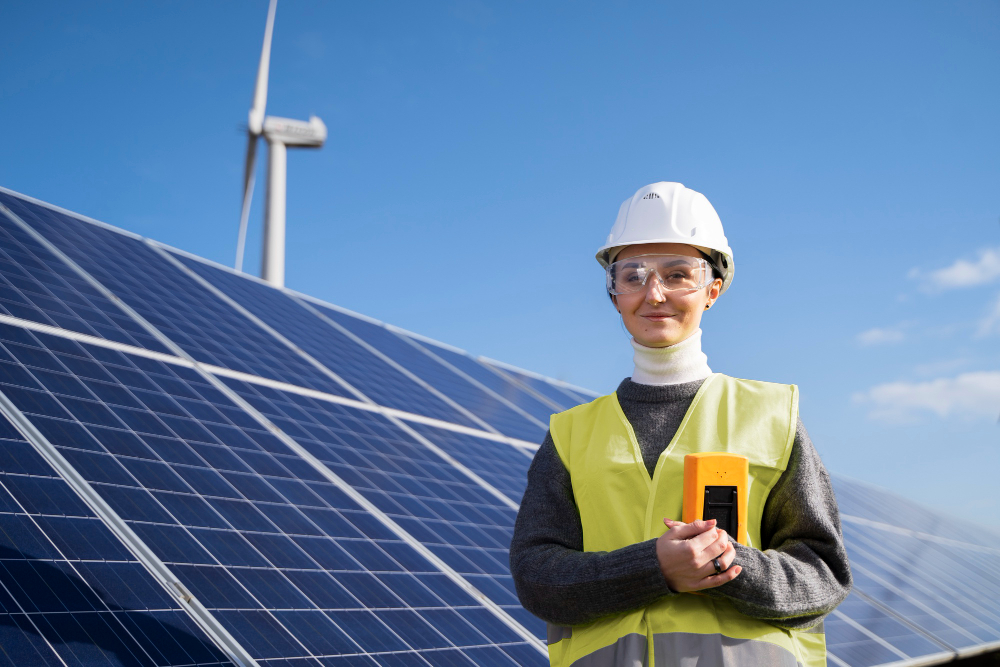
Invincible Energy’s technicians use calibrated irradiance tools and historical generation data to accurately diagnose whether output reductions are from soiling, shading changes, or equipment issues.
Invincible Energy technicians use calibrated measurement tools and detailed historical generation data to accurately diagnose whether output reductions are caused by soiling, shading changes, or developing equipment faults.
How to Clean Your Solar Panels Properly
Panel cleaning does not require specialist equipment for most standard rooftop installations, but it does require care. Toughened glass is durable but scratch-sensitive, and working at height always carries serious risk.
Safe DIY Cleaning Steps
A soft microfibre cloth or squeegee with an extendable handle, combined with clean water, is sufficient for most routine cleaning. Avoid abrasive pads, steel wool, and harsh chemical detergents, all of which can damage the glass surface or anti-reflective coating over time.
Demineralised water is preferable to tap water in hard-water areas to prevent mineral deposits on drying. Clean early in the morning or in the evening rather than during peak sun hours both to avoid thermal shock from cold water on hot glass and to allow the water time to work before evaporating in the heat.
When Professional Cleaning Makes More Sense
For roofs that are steep, tile-clad, or at heights that make safe access difficult, a professional solar cleaning service is the safest and most practical option. Professional services typically charge $150 to $300 for a standard residential system and often combine cleaning with a basic visual inspection of panel condition, mounting hardware, and wiring.
In areas with persistent pigeon or cockatoo activity, professionals can also fit anti-roosting mesh to prevent damage and debris accumulation beneath the array.
For homeowners who want peace of mind without doing the monitoring themselves, Invincible Energy offers annual inspection packages that include a full performance report and any remedial recommendations.
Monitoring Your System Output for Early Problem Detection
Modern solar inverters include real-time and historical monitoring accessible via smartphone apps and web portals. Reviewing your generation data monthly particularly comparing equivalent months year on year is the single most effective maintenance habit you can develop.
Unexplained output reductions, persistent error codes, or generation that falls noticeably below your system’s expected output for your location and season should prompt an investigation rather than being assumed to be weather-related.
What Normal Long-Term Degradation Looks Like
Quality solar panels degrade gradually at approximately 0.3% to 0.5% per year a rate so slow it is almost imperceptible year to year. A panel producing 400W on day one will produce around 360W after 25 years of normal operation.
This slow degradation is accounted for in the manufacturer’s performance warranty. Any output reduction significantly faster than this rate particularly in the first 10 years may indicate a product fault and should be assessed under the manufacturer’s warranty.
An Annual Professional Inspection Protects Your Investment
An annual professional system inspection, typically costing $150 to $300, covers panel condition, mounting hardware integrity, inverter operation and error log history, wiring condition, and monitoring system accuracy.
This modest annual cost can identify developing faults early before a minor issue becomes a costly repair or a significant period of lost generation. At Invincible Energy, our technical team provides thorough system health assessments and can advise on any remedial action needed to restore your system to full performance.