Why Australian Small Businesses Are Going Solar Faster Than Ever
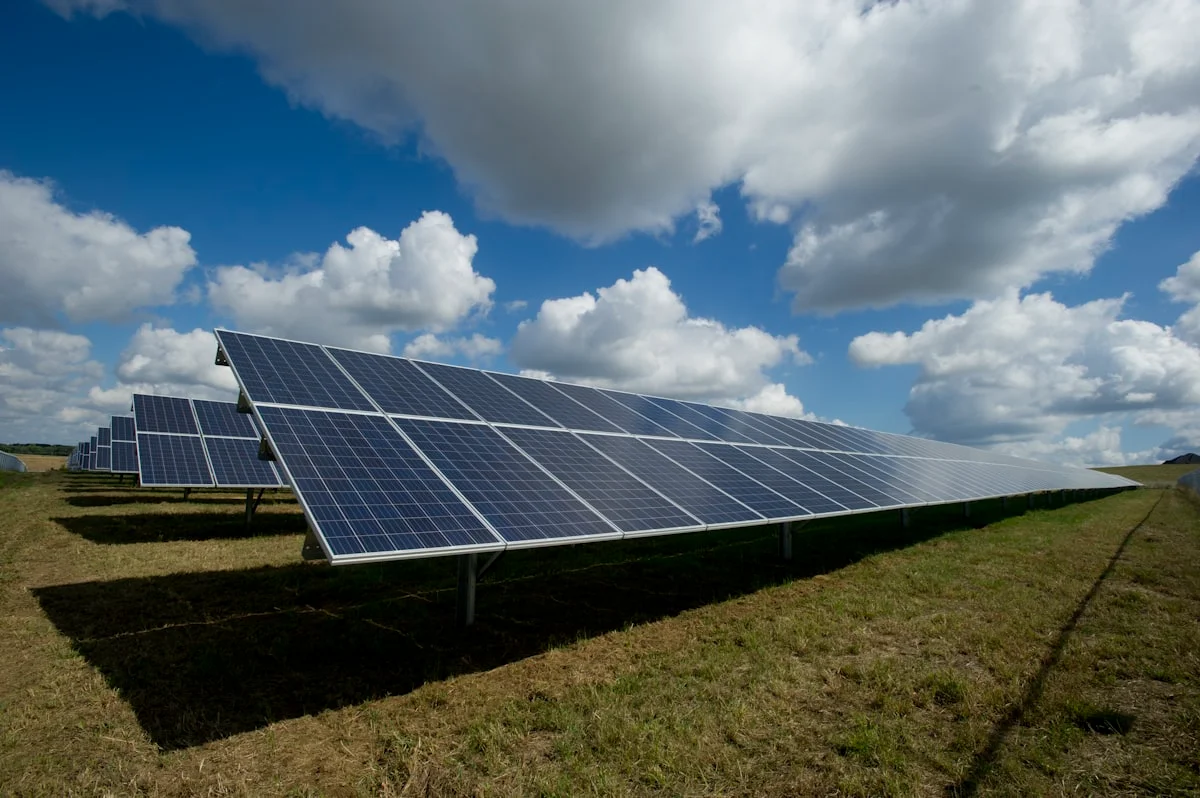
Small businesses in Australia face a double challenge that residential customers do not: commercial electricity tariffs are typically higher than residential rates, and energy costs represent a larger proportion of total operating expenses. For a retail shop, café, warehouse, or office using 30 to 100kWh of electricity per day, a well-designed solar system can reduce energy costs by 40% to 70% a saving that flows directly to the bottom line every single year. With the federal STC rebate still available, interest-free finance options widening, and commercial electricity prices continuing to rise, the business case for solar has never been more compelling for Australian SMEs.
At Invincible Energy Australia’s trusted solar support partner we design commercial solar systems specifically around each business’s operating hours, tariff structure, and consumption profile to deliver the strongest possible return on investment.
How Commercial Electricity Costs Compare With Residential
Australian small businesses typically pay between 25 and 45 cents per kilowatt-hour for grid electricity, depending on state, tariff structure, and consumption volume. Many commercial tariffs also include demand charges additional fees based on peak power draw during short intervals which can add significantly to monthly bills regardless of total energy consumption. Solar generation during business hours directly offsets both energy consumption and demand charges, reducing bills in two ways simultaneously.
What Size Solar System Does a Small Business Need
The right system size for a small business depends on daytime electricity consumption, available roof area, network connection capacity, and local grid export rules. Most small businesses operate primarily during daylight hours, which aligns perfectly with solar generation unlike residential customers who typically use most electricity in the morning and evening. This daytime alignment means commercial solar systems often achieve very high self-consumption rates, maximising the financial return on every kilowatt of installed capacity.
Typical System Sizes by Business Type
A small café or food business typically suits a 10kW to 20kW system that covers the daytime load from refrigeration, cooking equipment, lighting, and air conditioning. A retail shop or boutique in a standalone building typically suits a 6kW to 15kW system covering lighting, air conditioning, and point-of-sale systems.
A warehouse, light industrial unit, or office building with larger roof area and higher consumption may be better served by a 20kW to 100kW commercial system qualifying for LGC incentives rather than STCs.

The Importance of Matching System Size to Daytime Load
Oversizing a commercial solar system beyond what the business can self-consume on a typical day results in significant export to the grid at low feed-in tariff rates often as little as 3 to 6 cents per kilowatt-hour on commercial tariffs.
Right-sizing the system to match peak daytime consumption maximises self-consumption and delivers the strongest return on investment. A thorough analysis of interval meter data showing electricity consumption at 30-minute intervals throughout the day is essential for accurate system sizing.
Invincible Energy provides interval meter analysis as a standard part of every commercial solar assessment, ensuring the system we recommend is precisely matched to your business’s actual daytime load.
Government Incentives for Small Business Solar
Small businesses installing systems up to 100kW are eligible for the federal Small-scale Technology Certificate rebate on the same basis as residential customers. The STC discount typically represents a saving of $3,000 to $15,000 depending on system size and location.
Tax Deductions and Instant Asset Write-Off
Beyond the STC rebate, Australian small businesses can claim the installation cost of a commercial solar system as a capital improvement eligible for depreciation. Under the small business instant asset write-off provisions subject to current tax legislation and income thresholds the full cost may be deductible in the financial year of installation rather than spread over multiple years. This can significantly reduce the after-tax cost of the system in year one. Consult your accountant to understand the current write-off limits applicable to your business.
Financing Options for Commercial Solar
A growing number of financing products are available specifically for Australian small business solar installations. Commercial solar loans, equipment finance agreements, and power purchase agreements (PPAs) all allow businesses to go solar with little or no upfront capital outlay, instead paying from the cash flow savings the system generates.
Under a PPA arrangement, a third party owns and maintains the solar system while the business pays a fixed rate for the electricity it generates typically below the retail tariff making it a zero-upfront-cost path to lower electricity bills.
Getting the Right Commercial Solar Solution for Your Business
Commercial solar design requires more detailed analysis than a standard residential installation interval meter data, demand charge structure, export limitations, and network connection capacity all need to be assessed before recommending a system.
At Invincible Energy, our commercial solar team provides a thorough energy audit and custom system design for every business client, ensuring the system we recommend delivers the strongest possible financial return for your specific operating profile and budget.