
Solar Prices in 2025 Have Never Been More Competitive
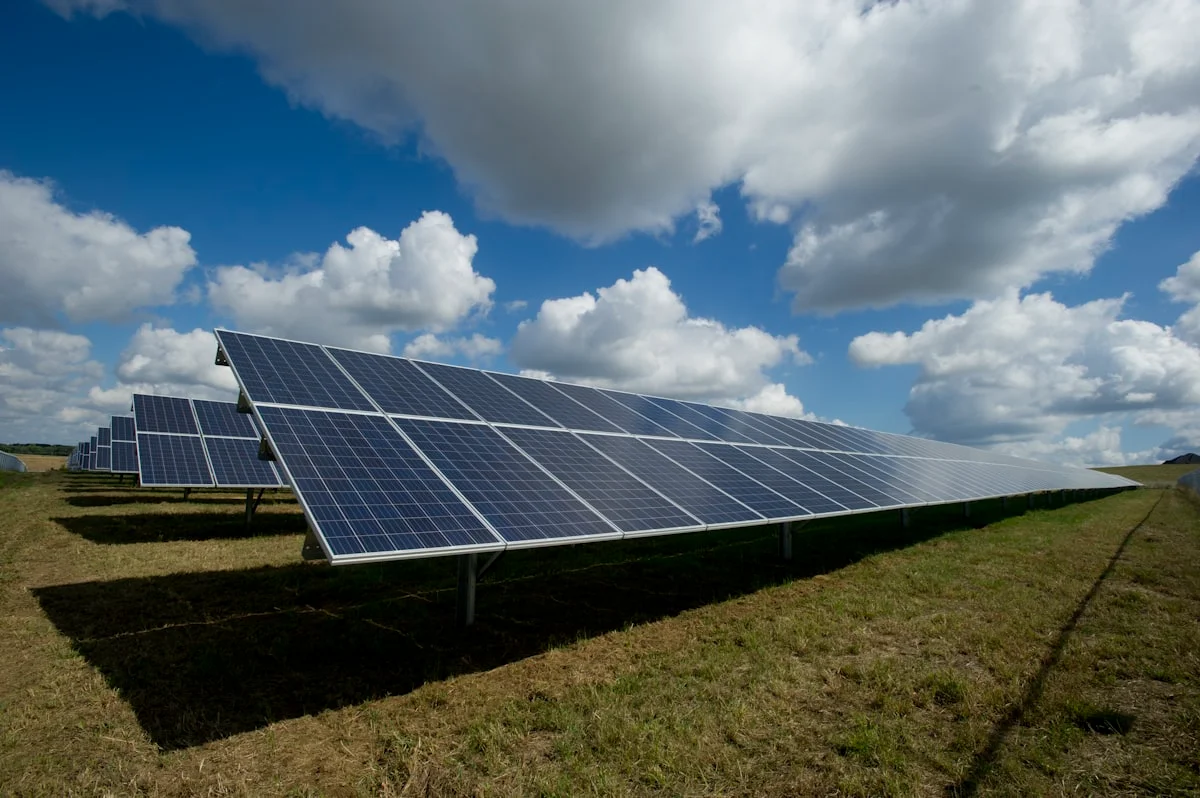
Solar panel installation costs in Australia have dropped dramatically over the past decade, and 2025 is genuinely one of the best years to make the investment. With the federal STC rebate still running, several state incentive programs active, and electricity prices continuing to climb, the financial case for going solar is stronger now than at any point in history. Understanding what drives the price and what a fair quote actually looks like helps you shop confidently and avoid being short-changed by cut-price operators using inferior gear.
Why Prices Have Come Down So Dramatically
Global manufacturing scale, improved cell technology, and fierce competition among Australian installers have all pushed prices down year on year. A 6.6kW system that cost over $15,000 a decade ago now comes in between $5,000 and $8,000 fully installed after rebates. Importantly, the quality of components available at these prices has also improved today’s entry-level panels outperform the premium panels of five years ago in both efficiency and long-term durability.
At Invincible Energy Australia’s trusted solar support partner every quote we provide is a fully itemised, fully installed price with no hidden costs and no bait-and-switch equipment.
What You Can Expect to Pay by System Size
Every quote you receive should be a fully installed price covering panels, inverter, racking, cabling, switchboard work, metering, and grid connection fees. Here are realistic mid-market price ranges for quality systems in 2025.
Small Systems for Apartments and Smaller Properties
A 3kW to 4kW system suits single-person households or properties with limited usable roof space. Typical installed price runs from $3,500 to $5,500 after rebates. A 3kW system generates around 11 to 14kWh per day in a sunny Australian city, covering a significant share of a low-consumption household’s daily needs and delivering strong savings without requiring a large roof area.
The 6.6kW System The Sweet Spot for Most Families
The 6.6kW system is by far the most popular size for Australian households, balancing upfront cost, roof space, and daily generation for most four-person families. After the federal STC rebate, expect to pay between $5,000 and $8,000 for a quality installation.
It generates roughly 24 to 28kWh per day in Queensland and similar climates. In most states, this size also represents the maximum that can be connected to a standard single-phase grid connection without requiring additional network approval.
Invincible Energy analyses each customer’s electricity bills and roof layout before recommending a system size, ensuring the investment delivers the strongest possible payback for that specific household.
Larger Systems for High-Consumption Homes
A 10kW or larger system suits large families, homes with electric vehicles, properties running ducted air conditioning or pool heating, or small businesses wanting to reduce their daytime energy costs. Typical installed price sits between $8,000 and $12,000. In states that allow export of larger system sizes, these systems can generate meaningful feed-in credits on top of their self-consumption savings.
Understanding the Federal STC Rebate
The Small-scale Technology Certificate scheme is the primary government incentive reducing solar costs across Australia. When you install a system, you are entitled to a number of STCs based on system size and your postcode’s solar resource rating. Reputable installers apply the discount directly at the point of sale you never need to claim it separately or wait for a government payment.
How Much Is the STC Rebate Worth in 2025
For a standard 6.6kW system installed in Queensland or New South Wales, the STC rebate in 2025 is worth approximately $2,500 to $3,500 depending on the current certificate market price. The scheme reduces annually until it phases out completely in 2030, meaning this year’s rebate is worth more than next year’s a genuine reason to act sooner rather than later if you are already seriously considering solar.
For a free, no-obligation quote with detailed savings modelling for your home, contact the team at Invincible Energy today.
State Programs That Add Even More Value
On top of the federal rebate, several states run additional incentive programs. Victoria’s Solar Homes scheme offers rebates of up to $1,400 for eligible owner-occupiers. The ACT’s Sustainable Household Scheme provides interest-free loans for solar and battery purchases. South Australia has run the Home Battery Scheme offering significant battery subsidies. The team at Invincible Energy keeps across all current programs and ensures every customer receives every dollar they are entitled to.
What a Quality Quote Must Include
A legitimate, detailed solar quote covers far more than a panel price. It should clearly specify every component and cost involved so there are no surprises on installation day.
Full Equipment Transparency
Your quote must name the specific brand and model of panels and inverter, including efficiency ratings, product warranty duration, and performance warranty guarantee percentage. Avoid any quote that describes components only as “Tier 1 panels” without naming the brand this is a common tactic used to quote cheap gear and swap it in before installation.
Installation and Switchboard Scope
All mounting hardware, racking, DC and AC cabling, isolators, metering, and grid connection fees should be confirmed as included. Ask specifically whether your switchboard needs upgrading this can add $500 to $1,500 if not already included in the quote. A trustworthy installer assesses this during the site visit and prices it upfront so the final invoice matches the quote exactly.
Payback Period and What It Means for You
Payback period is the time it takes for your energy savings to recover the installation cost. For most Australian homeowners with a 6.6kW system in 2025, payback falls between three and six years depending on usage patterns, electricity tariff, and how much solar power is consumed directly versus exported.
The Fastest Way to Shorten Your Payback
Maximising self-consumption is the single most powerful lever. Every unit of solar electricity used directly in your home replaces grid power at 35 to 45 cents per kilowatt-hour, rather than being exported at 5 to 10 cents. Running dishwashers, washing machines, pool pumps, and EV chargers during daylight hours, adding a hot water diverter, or installing a smart energy management system all reduce payback time significantly without additional upfront investment.
Find Out Exactly What Solar Will Cost and Save You
The most reliable way to understand your specific costs and savings is through a personalised assessment based on your actual electricity bills and roof layout. Invincible Energy provides free, no-obligation quotes with detailed savings modelling contact the team today that includes detailed savings modelling and a personalised payback calculation for your home.