Everything You Need to Know Before Buying Solar in Australia In One Place
Going solar is one of the most significant home investments most Australians will make, and the market is full of competing claims, confusing specifications, and pricing that varies by thousands of dollars between quotes.
This complete buying guide consolidates everything a first-time solar buyer in Australia needs to understand before signing anything from working out the right system size to comparing quotes, understanding warranties, claiming rebates, and getting the most from your system from day one. Read this before you speak to an installer.
At Invincible Energy Australia’s trusted solar support partner we have guided thousands of Australian homeowners through every step of the solar buying process, and this guide reflects the questions and concerns we hear most often.
At Invincible Energy Australia’s trusted solar support partner we have guided thousands of Australian homeowners through every step of the solar buying process, and this guide reflects the real questions and concerns we hear most often.
Step One — Understand Your Electricity Consumption
The starting point for any solar buying decision is understanding how much electricity your household uses and when you use it. Pull out your last four electricity bills and note your quarterly consumption in kilowatt-hours. Divide the annual total by 365 to get your average daily consumption.
This number is the foundation of your system sizing discussion. A household consuming 20kWh per day has very different solar needs from one consuming 35kWh per day, even if both have similar-sized homes.
How to Determine the Right System Size
System sizing is about matching your solar generation to your consumption pattern not just your total daily usage. The portion of generation you consume directly (rather than exporting) is worth two to six times more per kilowatt-hour than generation you export, so the goal is a system large enough to cover your daytime consumption with some surplus, without generating so much excess that large volumes are exported at low feed-in rates.
The 6.6kW Starting Point and When to Go Larger
For most Australian households with daily consumption of 18 to 28kWh, a 6.6kW system is an appropriate starting point that offers excellent economics. Households with daily consumption above 28kWh driven by air conditioning, pool heating, EV charging, or large family size typically benefit from 10kW or larger systems.
An experienced installer will analyse your interval meter data to recommend the system size that maximises your return rather than simply selling you the largest system that fits on your roof.
Invincible Energy analyses interval meter data as a standard part of every free consultation, ensuring system size recommendations are based on your actual usage pattern rather than a generic household average.
Assessing Your Roof
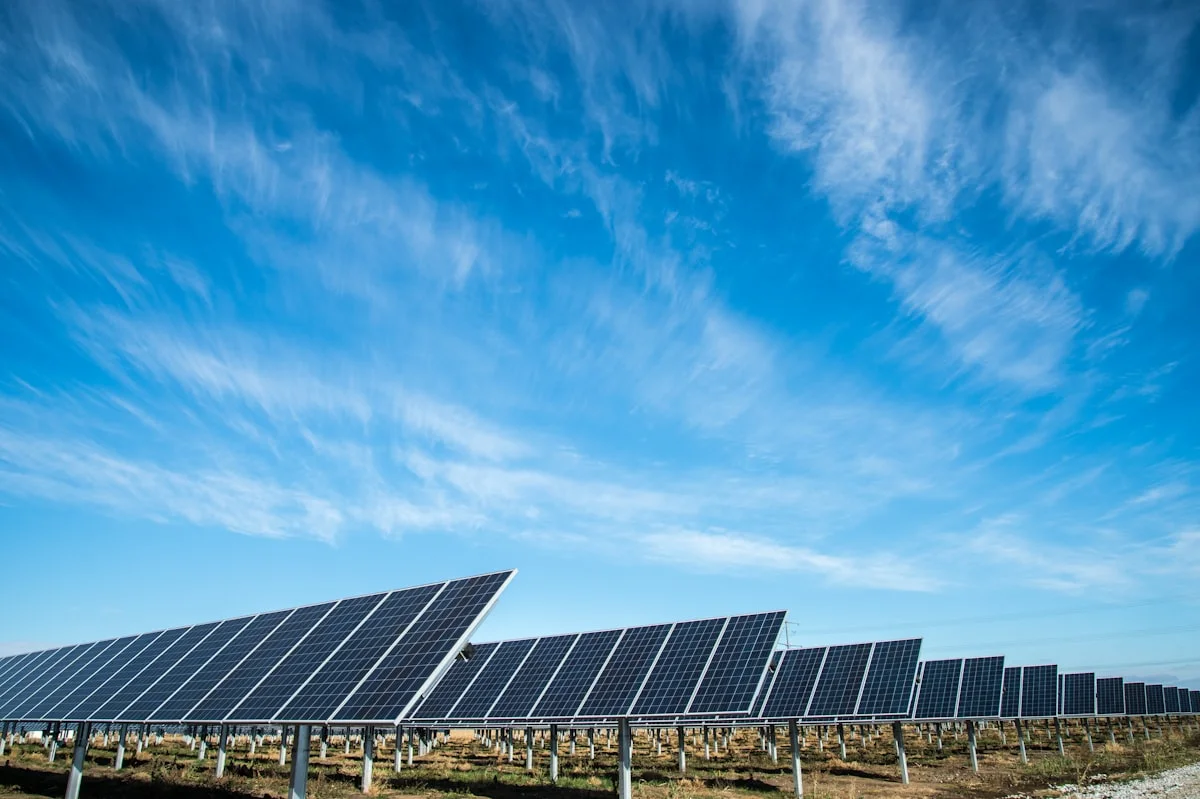
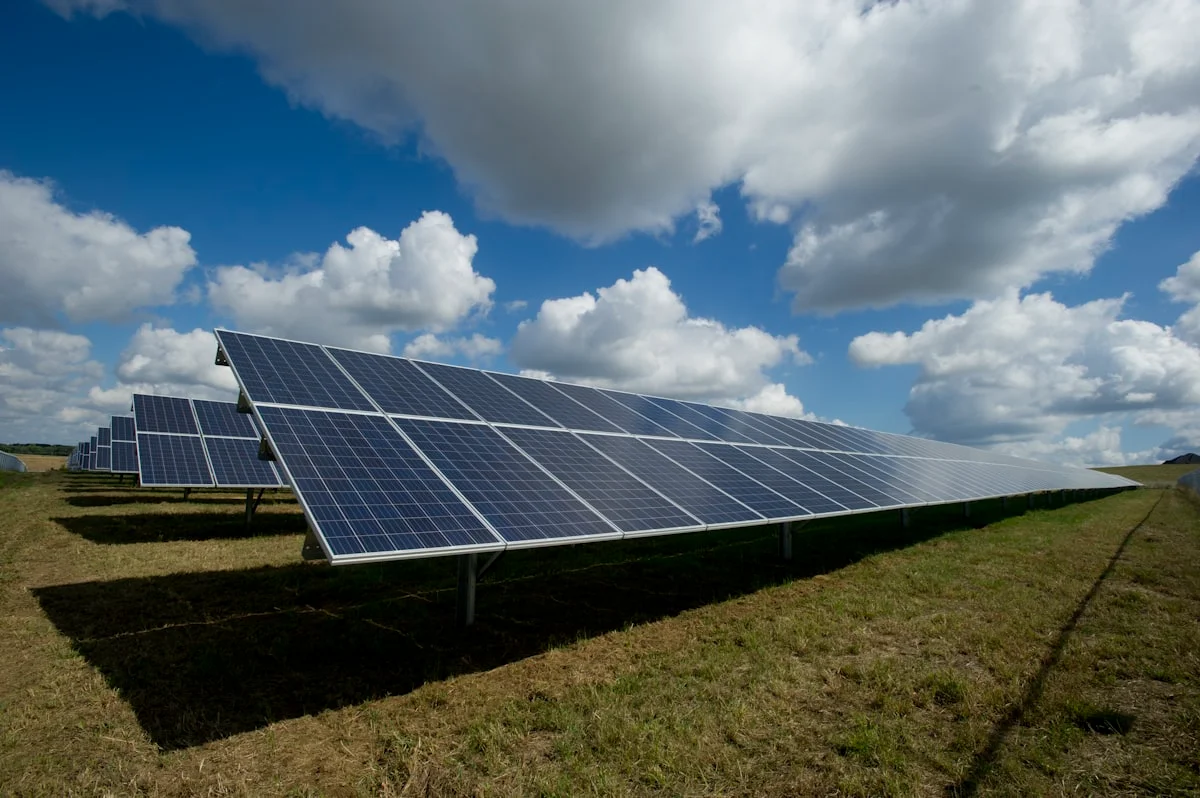
Roof orientation, pitch, available area, and shading from trees, chimneys, or neighbouring buildings all affect your system’s expected output. A north-facing roof at 20 to 35 degrees tilt delivers the best year-round performance.
East and west-facing roofs generate less total power but shift generation to morning and afternoon, which can improve self-consumption for households with typical patterns of use. A reputable installer will assess your roof in person or via satellite imagery and provide expected generation figures specific to your orientation.
Comparing Solar Quotes — What to Actually Look At
When comparing quotes from multiple installers, several elements matter far more than the headline price.
Equipment Specification
Confirm that every quote specifies the exact brand and model of panels and inverter, not generic descriptions. Look up the efficiency rating, temperature coefficient, product warranty, and performance warranty for both products.
A quote for a 6.6kW system using Jinko Tiger Neo panels and a Fronius inverter is a fundamentally different product from a quote using unbranded panels and a cheap no-name inverter, even if the installed kW count is identical.
For a free, no-obligation assessment and quote that covers every aspect of this guide applied to your specific home and situation, contact the team at Invincible Energy.
Installer Credentials
Verify that the installer is CEC accredited not just their company, but the specific installer who will be on your roof. Ask for the CEC accreditation number of the person supervising the installation. Check how long the company has been operating in your area and look for verified reviews that mention after-installation service quality, not just the sales and installation experience.
Warranty Terms
A complete warranty package covers the panel product (typically 12 to 25 years), panel performance (25 years with a guaranteed output percentage), inverter product (5 to 12 years depending on brand), and installer workmanship (minimum 5 years, ideally 10). Get every warranty in writing before committing and confirm who handles warranty claims the installer, the manufacturer, or a third party.
Claiming Your Rebates
The federal STC rebate is typically applied as a point-of-sale discount by your installer, so you receive a lower invoice automatically. Check with your installer that they are applying the correct STC amount for your system size and location. If you are in Victoria, check eligibility for the Solar Homes program rebate and apply through the approved process with your chosen CEC-accredited installer.
Getting the Most from Your System from Day One
Once your system is installed, set up monitoring alerts through your inverter app so you are notified of any performance drop immediately. Shift high-energy appliance use to daytime hours to maximise self-consumption.
Review your energy plan every 12 months to ensure you are on the best available tariff. And when you are ready to explore battery storage or EV charging integration, contact the team at Invincible Energy for advice tailored to your system and your energy goals.